


 lubin@china-end-mill.com


How to Prevent Delamination When Machining Carbon Fiber: Essential Guide for Quality CFRP Processing
 Jul 17, 2026|
 View:1114
Carbon fiber reinforced polymers have become increasingly popular across aerospace, automotive, and manufacturing industries due to their exceptional strength-to-weight ratio. However, machining these advanced composites presents unique challenges that can compromise part quality if not properly addressed. Understanding how to prevent delamination when working with CFRP is critical for manufacturers seeking to maintain precision and reduce scrap rates.
Key Takeaways
Delamination occurs when composite layers separate during machining, leading to structural weakness and part rejection
Tool selection, cutting parameters, and machining techniques directly impact delamination risk
Diamond-coated and carbide tools specifically designed for composites provide optimal cutting performance
High spindle speeds with controlled feed rates minimize fiber tearing and layer separation
Regular tool monitoring prevents damage from worn cutting edges that grab rather than cut fibers
Understanding Carbon Fiber Delamination
Delamination represents one of the most serious defects in carbon fiber reinforced polymer machining. This phenomenon occurs when the individual layers of composite material separate from each other, creating voids and structural weaknesses that can dramatically reduce part integrity. Unlike metals that form continuous chips during cutting, CFRP materials produce dust-like particles, making the machining process fundamentally different.
The layered structure of carbon fiber composites makes them particularly susceptible to delamination during machining operations. When cutting forces exceed the interlaminar bond strength between composite layers, separation occurs. This separation can happen at the entry point, exit point, or within the material itself, depending on the cutting direction and tool geometry. Research has shown that fiber orientation plays a critical role, with 45-degree orientations typically experiencing higher delamination rates compared to 60-degree or 90-degree orientations.

Top 5 Causes of Delamination in CFRP Machining
Understanding the root causes of delamination helps manufacturers implement effective prevention strategies. The following factors represent the primary contributors to composite layer separation during machining operations.
1. Improper Tool Selection and Worn Cutting Edges
The choice of cutting tool significantly influences machining outcomes. Standard metal-cutting tools are unsuitable for CFRP due to the abrasive nature of carbon fibers. When tools designed for metals contact carbon fiber, they wear rapidly and lose their sharp cutting edge. A dull tool no longer cleanly shears fibers but instead grabs and tears them, pulling on the composite layers and causing delamination.
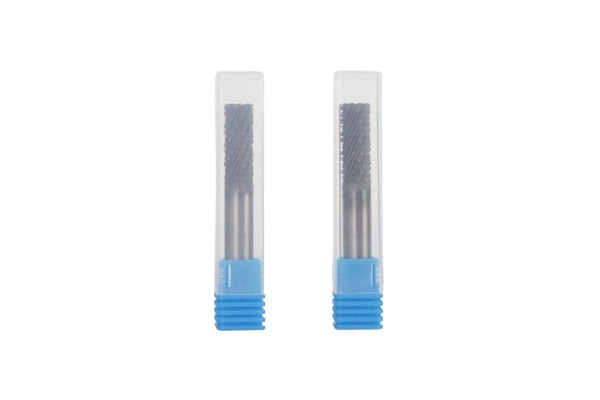
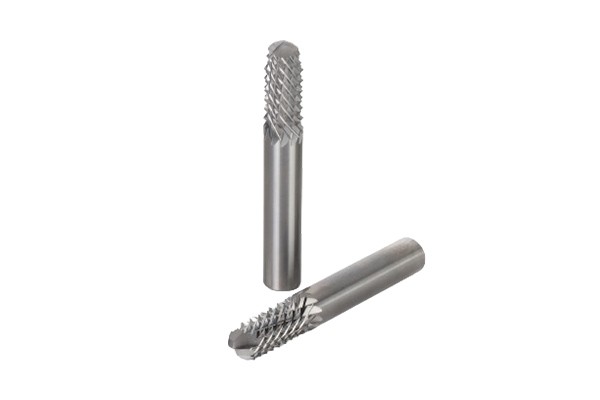
Carbon fiber end mill tools specifically engineered for composites feature geometries that minimize cutting forces while maintaining sharp edges longer. Diamond-coated tools and polycrystalline diamond (PCD) tools offer superior wear resistance compared to carbide alternatives. While PCD tools carry a higher initial cost, their extended tool life and superior cut quality often justify the investment for production environments. Tool life monitoring is essential because carbon fiber's abrasive properties accelerate wear, and quality deteriorates rapidly once dulling begins.
2. Incorrect Cutting Parameters
Machining parameters for CFRP differ dramatically from those used for metals. The optimal approach involves high spindle speeds combined with relatively low feed rates. This combination ensures clean fiber cutting while minimizing heat buildup. Feed rates must be carefully adjusted to balance material removal rates with heat generation, as excessive heat can damage the polymer matrix and promote delamination.
Spindle speeds typically range from 12,000 to 24,000 RPM depending on tool diameter and material thickness. Higher speeds generally produce better surface finishes by ensuring fibers are cut rather than torn. However, excessively high speeds can cause fiber fraying and splitting. Feed rates should be determined through test cuts, as each composite formulation behaves differently based on fiber type, resin system, and layup configuration.
3. Heat Buildup and Thermal Damage
Carbon fiber composites exhibit low thermal conductivity compared to metals, meaning heat generated during machining remains concentrated in the cutting zone rather than dissipating through the material. This heat accumulation can soften or degrade the polymer matrix, weakening the bonds between composite layers and promoting delamination. Unlike metal machining where chips carry away most of the heat, CFRP machining produces fine dust that provides minimal heat dissipation.
Coolant application requires careful consideration. While coolant can reduce cutting zone temperatures, the porous nature of composites means improper coolant selection can cause contamination issues. Water or water-soluble coolants are generally preferred over oil-based products, as they do not interfere with subsequent adhesive bonding or coating operations. In some applications, compressed air cooling provides sufficient heat management without introducing contamination risks. The choice depends on material thickness, cutting depth, and production requirements.
4. Unfavorable Fiber Orientation and Cutting Direction
The direction of cutting relative to fiber orientation significantly affects delamination risk. Cutting parallel to fiber direction produces cleaner results than cutting perpendicular or at acute angles to the fibers. This principle resembles woodworking, where cutting along the grain yields better results than cutting across it. In multi-directional laminates, some delamination risk is unavoidable, but understanding fiber architecture allows operators to plan tool paths that minimize the most severe potential damage.
For edge trimming operations, conventional milling typically produces better results than climb milling, contrary to metal machining best practices. Conventional milling provides better support to unsupported edges and reduces the tendency for plies to lift away from the part. Tool path planning should consider entry and exit strategies that provide maximum support to composite layers during cutting. Back-up plates or supporting fixtures can prevent blow-out delamination at exit points.
5. Insufficient Support and Fixturing
Proper workpiece support is critical for preventing delamination during CFRP machining. Unsupported areas, particularly near edges or in thin sections, are highly susceptible to vibration and flexing under cutting forces. This movement can cause layers to separate even when using appropriate tools and parameters. Vacuum tables, dedicated fixtures, and backing plates all play important roles in stabilizing the workpiece during machining.
Drilling operations are particularly prone to exit delamination when inadequate backing support is provided. The thrust force from the drill pushes against the bottom layers, and without proper support, these layers delaminate from the part. Specialized drill geometries, including step drills and brad-point designs, help minimize thrust forces. Pecking cycles that frequently retract the tool can also reduce heat and force accumulation during deep hole drilling.
Best Practices for Delamination-Free Machining
Implementing a comprehensive approach to CFRP machining combines proper tool selection, optimized parameters, and sound machining techniques. Regular inspection of machined surfaces helps identify early signs of delamination before they become critical issues. Ultrasonic or visual inspection methods can detect subsurface delamination that may not be immediately visible.
Tool life management systems provide significant value in composite machining environments. These systems track tool usage time and automatically prompt tool changes before excessive wear occurs. Preventive tool replacement is far more cost-effective than scrapping expensive composite parts due to delamination from worn tools. Establishing tool change intervals through production testing ensures consistent quality across all parts.
Advanced Tool Technologies for CFRP
Modern carbon fiber end mill designs incorporate features specifically engineered to address composite machining challenges. These include specially ground cutting edges, optimized helix angles, and advanced coating systems. Diamond-coated end mills provide exceptional wear resistance while maintaining sharp cutting edges that cleanly shear carbon fibers rather than tearing them. The coating also reduces friction, which helps manage heat generation during cutting.
Tool geometry plays a crucial role in delamination prevention. Sharp cutting edges with positive rake angles reduce cutting forces and minimize the tendency to push composite layers apart. Flute count and helix angle affect chip evacuation and cutting forces. For carbon fiber applications, tools with fewer flutes and higher helix angles often perform better than their metal-cutting counterparts. The larger flute valleys provide better dust evacuation, which is critical given the fine particle nature of CFRP machining waste.
Quality Control and Inspection Methods
Detecting delamination requires appropriate inspection methods since subsurface damage may not be visible to the naked eye. Non-destructive testing techniques such as ultrasonic inspection can identify delamination within composite structures. ASTM testing standards provide guidance for evaluating composite materials and identifying various types of machining damage including delamination, fiber pull-out, and matrix cracking.
Visual inspection of machined edges under magnification reveals surface quality issues that indicate potential delamination problems. Fuzzing, uncut fibers, and visible layer separation all signal improper machining conditions. Establishing acceptance criteria based on these visual characteristics helps maintain consistent quality standards. Digital microscopy allows detailed documentation of surface conditions for quality records and process optimization.
Choosing a Reliable Cutting Tool Supplier
Selecting high-quality carbon fiber end mill tools is essential for achieving delamination-free machining results. When evaluating suppliers, manufacturers should consider tool consistency, technical support capabilities, and experience with composite applications. Suppliers who understand the unique challenges of CFRP machining can provide valuable guidance on tool selection and parameter optimization.
For manufacturers seeking reliable carbon fiber end mill suppliers with proven expertise in composite machining, China-based manufacturers offer competitive solutions combining quality materials with precision manufacturing. Companies like CHANGZHOU CHINA MACHINERY TECHNOLOGY CO., LTD. specialize in custom carbide cutting tools including specialized carbon fiber milling cutters designed specifically for composite applications. Their ISO 9001-certified facilities employ advanced 5-axis CNC grinding technology (such as ANCA, Walter, and Kennametal) to produce tools with the tight tolerances required for delamination-free CFRP machining.
Conclusion
Preventing delamination when machining carbon fiber requires a systematic approach that addresses tool selection, cutting parameters, machining techniques, and quality control. Understanding the fundamental differences between CFRP and metal machining helps operators avoid common mistakes that lead to layer separation and part rejection. By implementing proper tool selection, optimizing cutting parameters, providing adequate workpiece support, and monitoring tool condition, manufacturers can consistently produce high-quality composite parts free from delamination defects.
Success in composite machining comes from recognizing that carbon fiber end mill tools and techniques must be specifically tailored to the unique properties of CFRP materials. The investment in proper tooling and training pays dividends through reduced scrap rates, improved part quality, and increased production efficiency. As composite usage continues to expand across industries, mastering these delamination prevention techniques becomes increasingly critical for competitive manufacturing operations.
Frequently Asked Questions
What causes delamination when machining carbon fiber?
Delamination occurs when cutting forces exceed the interlaminar bond strength between composite layers. Primary causes include worn cutting tools, improper cutting parameters, excessive heat buildup, unfavorable fiber orientation, and insufficient workpiece support.
What type of cutting tool works best for carbon fiber?
Diamond-coated carbide or PCD tools specifically designed for composites provide optimal results. These tools maintain sharp edges longer and resist the abrasive nature of carbon fibers better than standard metal-cutting tools.
What spindle speed should be used for carbon fiber machining?
Spindle speeds typically range from 12,000 to 24,000 RPM depending on tool diameter. Higher speeds generally produce cleaner cuts by ensuring fibers are sheared rather than torn, but must be balanced with feed rates to control heat generation.
How can I tell if my carbon fiber tool is too worn?
Watch for fuzzing on machined edges, increased cutting forces, visible fiber pull-out, or poor surface finish. Implement preventive tool replacement schedules based on machining time rather than waiting for visible quality deterioration.
Should I use coolant when machining CFRP?
Water or water-soluble coolants can help manage heat but must be selected carefully to avoid contaminating the porous composite surface. Compressed air cooling is often sufficient for lighter cuts and eliminates contamination concerns.
Why is conventional milling preferred over climb milling for composites?
Conventional milling provides better support to composite layers and reduces the tendency for edge delamination, particularly during trimming operations. This differs from metal machining where climb milling is typically preferred.