


 lubin@china-end-mill.com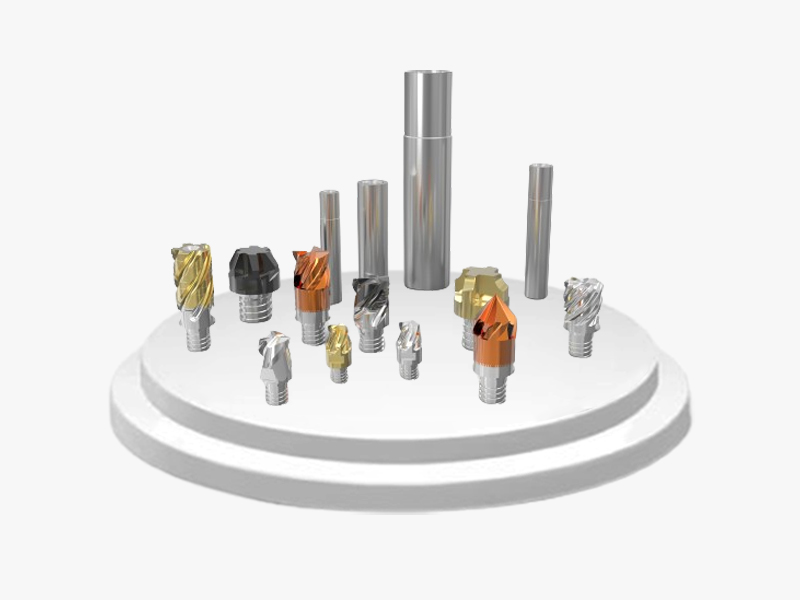


 Oct 17, 2025
 View:1103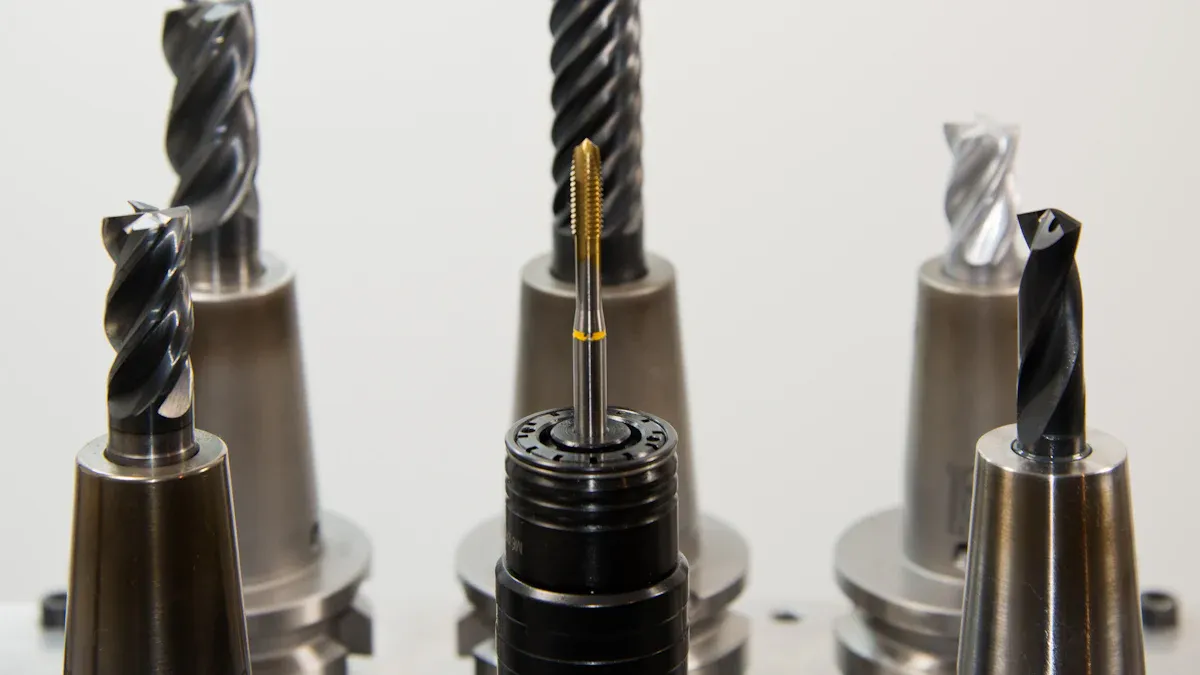
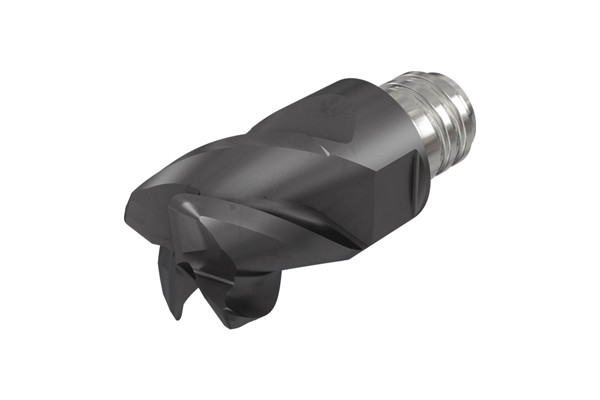
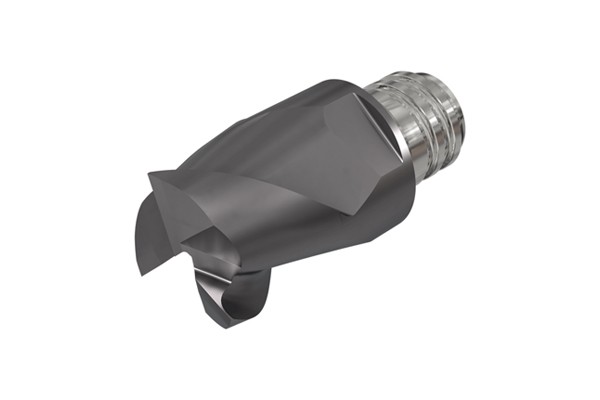
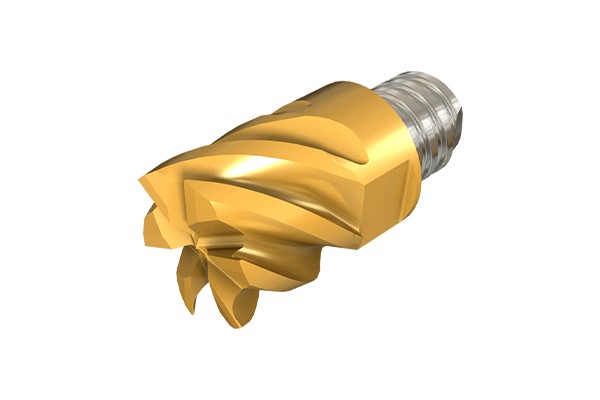
Exchangeable head end mills drive efficiency, cost savings, and quality improvements in modern manufacturing. Manufacturers benefit from quick tool changes and less downtime, making operations faster and more flexible. The modular design allows for easy swapping of exchangeable heads, optimizing inventory and reducing waste. Production speed increases while maintaining high precision and surface finish quality.
| Advantage | Impact on Manufacturing Efficiency |
|---|---|
| Reduced Tool Changeover Time | Increases overall production speed and efficiency. |
| Increased Precision | Enhances quality of finished products, crucial in high-volume sectors. |
| Sustainability | Reduces waste and operational costs, aligning with eco-friendly practices. |
Exchangeable head end mills can lower operational costs by 30-60%.
Companies may save up to $150,000 per machining center in tool inventory costs.
Exchangeable systems maintain positioning accuracy within 0.002mm.
Key Takeaways
Exchangeable head end mills reduce tool changeover time by 70-80%, allowing for faster production and less machine downtime.
Companies can save between $75,000 and $150,000 annually in tooling costs by using replaceable heads instead of full tools.
These systems maintain high precision with tolerances as tight as 0.002mm, ensuring consistent quality in finished products.
Modular designs optimize inventory management, allowing manufacturers to stock fewer items while maintaining flexibility in production.
Sustainability is enhanced as these tools reduce waste and energy use, supporting eco-friendly manufacturing practices.
Efficiency With Exchangeable Head End Mill
Fast Tool Changes
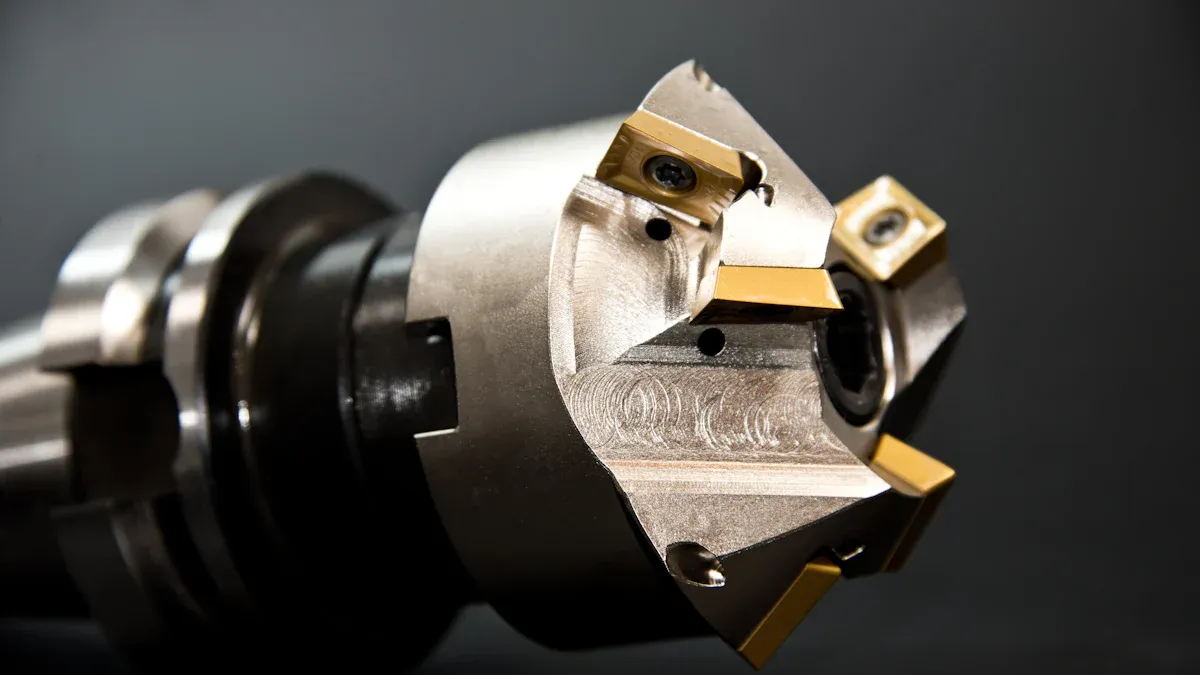
Manufacturers rely on exchangeable head end mill technology to speed up tool changes. Modular end mill systems allow workers to replace the cutting head in just 30 to 60 seconds. Traditional end mills often require 10 to 15 minutes for a complete change. This rapid process means operators spend less time waiting and more time machining.
Modular designs optimize quick-release interfaces, making tool swaps simple and reliable.
Multi-station modular end mill systems can hold 8 to 24 different cutting heads. Workers can adapt quickly to different machining tasks without stopping the cnc machine for long periods.
Tip: Fast tool changes help teams respond to urgent production needs and keep schedules on track.
Tool change time reduction: Modular systems reduce changeover time by 70-80% compared to conventional end mills.
Machine utilization improvements: Faster changes increase spindle time utilization by 25-35%.
Less Downtime
Reducing downtime is a major goal in manufacturing. Exchangeable head end mill systems minimize machine stoppages. Operators no longer need to halt the cnc for lengthy tool setups. The modular approach keeps machines running and production lines moving.
| Cost Category | Traditional End Mills | Modular Systems | Annual Savings | Improvement |
|---|---|---|---|---|
| Machine Downtime | $80,000-$120,000 | $25,000-$40,000 | $50,000-$90,000 | 60-75% reduction |
Higher Utilization
Exchangeable head end mills help factories achieve higher machine utilization rates. Quick-change systems and standardized interfaces keep production moving. Operators avoid delays caused by traditional solid end mills, which often require complete machine stops.
Manufacturing plants benefit from increased throughput and reduced operational costs. Mold shops and cnc facilities can schedule more jobs and meet tight deadlines. The exchangeable design supports flexible production, allowing teams to switch between different geometries and materials with ease.
Note: Higher utilization means machines spend more time cutting and less time idle, boosting overall productivity.
Cost Savings Of Replaceable Head Milling Cutters
Lower Tooling Costs
Replaceable head milling cutters help companies reduce tooling costs by allowing them to change only the worn cutting head instead of the entire tool. This approach lowers the need for full tool replacements and cuts down on expenses. Many manufacturers report significant savings when they switch from traditional solid end mills to replaceable head milling cutters.
Companies often save between $75,000 and $150,000 every year in tool inventory costs for each machining center.
Workers spend less time searching for the right tool, which leads to faster production and fewer mistakes.
The exchangeable head end mill system supports this cost reduction by making it easy to swap heads and keep machines running. Manufacturers see a direct impact on their bottom line through lower purchase costs and reduced waste.
Tip: Lower tooling costs mean more budget for new equipment and technology upgrades.
Inventory Optimization
Replaceable head milling cutters simplify inventory management. Instead of stocking many complete tools, companies keep a smaller supply of cutting heads and tool holders. This strategy leads to inventory cost savings and better organization in the tool crib.
Tool managers track fewer items, which reduces confusion and helps prevent overstocking.
The modular design allows quick identification and replacement of worn heads, keeping production lines efficient.
| Example | Description |
|---|---|
| Ingersoll TopOn | An indexable milling cutter with a screw-on head that allows for quick head swaps and insert changes while the spindle is turning. |
| Iscar FlexFit | Similar to the Ingersoll, it enables the user to keep one head loaded with fresh inserts, facilitating efficient operation. |
Extended Tool Life
Replaceable head milling cutters offer extended tool life by allowing users to replace only the worn cutting edge. The tool holder and shank remain in use for many cycles, which increases the lifespan of the entire system.
Operators monitor wear and change heads before damage spreads to the holder.
The modular approach supports consistent performance and reduces the risk of tool failure.
Extended tool life means fewer interruptions and lower costs for replacement parts. Manufacturers benefit from longer intervals between purchases and less downtime for maintenance.
Extended tool life also improves sustainability by reducing waste and conserving resources.
Many facilities report up to six times longer service intervals compared to traditional solid end mills.
Note: Extended tool life helps companies meet production targets and maintain high quality standards.
Replaceable head milling cutters transform manufacturing by lowering tooling costs, optimizing inventory, and delivering extended tool life. These advantages support efficient operations and help companies stay competitive in a fast-paced industry.
Quality And Flexibility
Consistent Precision
Manufacturers depend on exchangeable head end mill systems to achieve consistent precision in every operation. Modular heads lock into place with tight tolerances, which helps maintain dimensional accuracy from one part to the next. This reliability supports quality consistency, even during long production runs. Operators notice fewer deviations in measurements, which reduces scrap and rework. High-quality tools with modular designs also help maintain sharp cutting edges, which further improves dimensional accuracy.
Note: Consistent precision ensures that each finished part meets strict industry standards.
Superior Finishes
Modular head end mills deliver superior finishes on machined surfaces. Their advanced engineering combines high precision, efficient cutting, and innovative flute designs. These features work together to reduce surface irregularities and improve the smoothness of finished parts. The following table shows how specific features contribute to better surface finishes:
| Feature | Contribution to Surface Finish |
|---|---|
| High Precision | Ensures accurate cutting, reducing surface irregularities |
| Enhanced Cutting Efficiency | Allows for faster material removal, improving finish quality |
| Advanced Flute Designs | Optimizes chip removal and reduces friction, enhancing surface smoothness |
| Superior Edge Sharpness | Provides cleaner cuts, leading to better surface finishes |
| Advanced Surface Coatings | Improves wear resistance and reduces friction, maintaining tool performance over time |
Versatile Applications
Flexibility stands out as a key advantage of modular head systems. Manufacturers can quickly switch between different geometries, such as ball nose, square end, or corner radius heads. This adaptability proves especially valuable in mold manufacturing, where complex shapes and tight tolerances are common. The same tool holder can support a wide range of cutting tasks, which streamlines workflow and reduces the need for multiple setups.
Modular systems support rapid adaptation to new materials and part designs.
Teams can respond quickly to changing production requirements.
This flexibility helps companies stay competitive and meet customer demands for custom or intricate parts.
Implementation Tips
Machine Compatibility
Manufacturers should first check if their machines support modular end mill systems. Most modern CNC machines can accept exchangeable head end mills, but some older models may need adapters or upgrades. Operators should review spindle specifications and tool holder types before making a purchase. A quick compatibility check helps avoid delays and ensures smooth installation. Many modular systems, such as those with X-Head style interfaces, allow users to switch between different cutter types without changing the entire holder. This versatility supports a wide range of machining tasks and materials.
Tip: Always consult the machine manual or a technical expert before introducing new tooling systems.
Training Needs
Proper training ensures that workers use exchangeable head end mills safely and efficiently. Training sessions should cover correct installation, alignment, and maintenance of modular heads. Operators learn how to inspect cutting edges and recognize signs of wear. Short training programs can focus on tool change time reduction, which boosts productivity and reduces errors. Supervisors should encourage hands-on practice, so workers gain confidence with the new system.
Training topics to include:
Safe handling of modular heads
Proper tightening and alignment
Inspection for wear and damage
Cleaning and storage procedures
Workflow Integration
Integrating modular end mills into daily workflows requires careful planning. Managers should update tool management systems to track modular heads and holders. Clear labeling and organized storage help workers find the right head quickly. Teams can schedule regular checks to monitor tool life and replace heads before they cause defects. Modular systems make it easy to switch between different geometries, which supports flexible production schedules.
Note: Smooth workflow integration leads to fewer mistakes and higher output.
A well-planned implementation helps manufacturers realize the full benefits of modular end mill systems, from faster tool changes to improved efficiency.
Future Trends
Industry 4.0
Manufacturers see modular end mill systems evolving rapidly with the rise of Industry 4.0. These systems now feature modular heads and multi-tooth configurations, which boost versatility and lower operational costs. Real-time monitoring and predictive maintenance have become standard, allowing operators to track cutting performance and tool wear during every cutting operation. Advanced CAD/CAM software connects directly to cnc machines, making it easier to optimize cutting strategies and improve cutting performance.
The following table shows how digital monitoring and smart manufacturing systems enhance modular end mill systems:
| Evidence Description | Key Insights |
|---|---|
| Non-intrusive Industry 4.0 retrofitting approach | Real-time data sharing and predictive maintenance improve tool reliability. |
| Collaborative maintenance strategies | Production cycles and maintenance tasks connect, raising efficiency. |
| Tool wear monitoring based on machine data | Cutting forces and signals estimate tool condition, improving accuracy. |
| Signal processing strategies | Advanced analysis techniques boost wear monitoring system performance. |
Sustainability
Sustainability remains a top priority in manufacturing. Modular end mill systems help companies reach their environmental goals by reducing waste and improving resource efficiency. Operators replace only the worn cutting portion, which cuts down on material waste. In high-usage environments, this approach leads to a drastic reduction in waste. For example, some head-exchangeable tools weigh much less than traditional solid tools, resulting in over 90% less waste.
Key sustainability benefits include:
Extended tool life, which reduces the need for frequent replacements.
Lower material waste during cutting operations.
Optimized resource use, leading to better manufacturing performance.
Minimized carbide consumption, supporting eco-friendly practices.
Reduced energy use per part, thanks to efficient cutting performance.
Improved material utilization rates, which means less waste and higher efficiency.
Cost savings from utility rebates and waste reduction programs.
Modular end mill systems support both cutting performance and sustainability, helping manufacturers stay competitive and responsible.
Exchangeable head end mills transform manufacturing by improving efficiency, lowering costs, and raising product quality. Manufacturers gain long-term value through reduced operational costs and faster return on investment.
| Benefit | Value/Impact |
|---|---|
| Operational Cost Reduction | 30-60% |
| Increased Production Capacity | 25-40% |
| Return on Investment | 6-12 months |
| Payback Period | 6-18 months |
Growth driven by Industry 4.0 and automation
Smart sensors and AI for better tool management
Improved standards for easier integration
For those seeking a reliable China end mill manufacturer, choosing CHINA ensures lasting performance and future-ready solutions.
FAQ
What is an exchangeable head end mill?
An exchangeable head end mill uses a modular design. Workers can replace only the cutting head, not the entire tool. This system saves time and reduces waste.
How does this tool improve efficiency?
Operators change heads quickly, often in under a minute. Machines spend less time idle. Production lines move faster.
Fast changes mean more parts finished each day.
Are exchangeable head end mills cost-effective?
Yes. Companies buy fewer complete tools. They replace only worn heads.
Lower inventory costs
Less waste
Longer tool holder life
Can these tools maintain high precision?
Exchangeable head end mills lock heads with tight tolerances. This design keeps cutting accuracy high.
| Feature | Benefit |
|---|---|
| Secure fit | Consistent cuts |
| Sharp edges | Smooth finish |
Many industries use them, including automotive, aerospace, and mold manufacturing. These tools work well for both simple and complex parts.